Understanding Flexible Grids: Concept, Benefits, and the Impact on Nigerian Consumers
1. Executive Summary
The traditional electricity model a one-way street from large, centralized power plants to passive consumers is rapidly becoming obsolete. In its place, the "Flexible Grid" (or Smart Grid) is emerging. This document outlines the fundamental mechanics of flexible grids, details their systemic benefits, and provides a strategic analysis of why this transition is critical for electricity consumers in Nigeria.
2. The Concept of a Flexible Grid
A flexible grid is an intelligent, dynamic electricity network that seamlessly integrates decentralized energy sources, advanced communication technologies, and automated controls. Unlike conventional grids that rely entirely on matching base-load supply to fluctuating demand, a flexible grid can actively manage both supply and demand in real-time.
Key pillars of a flexible grid include:
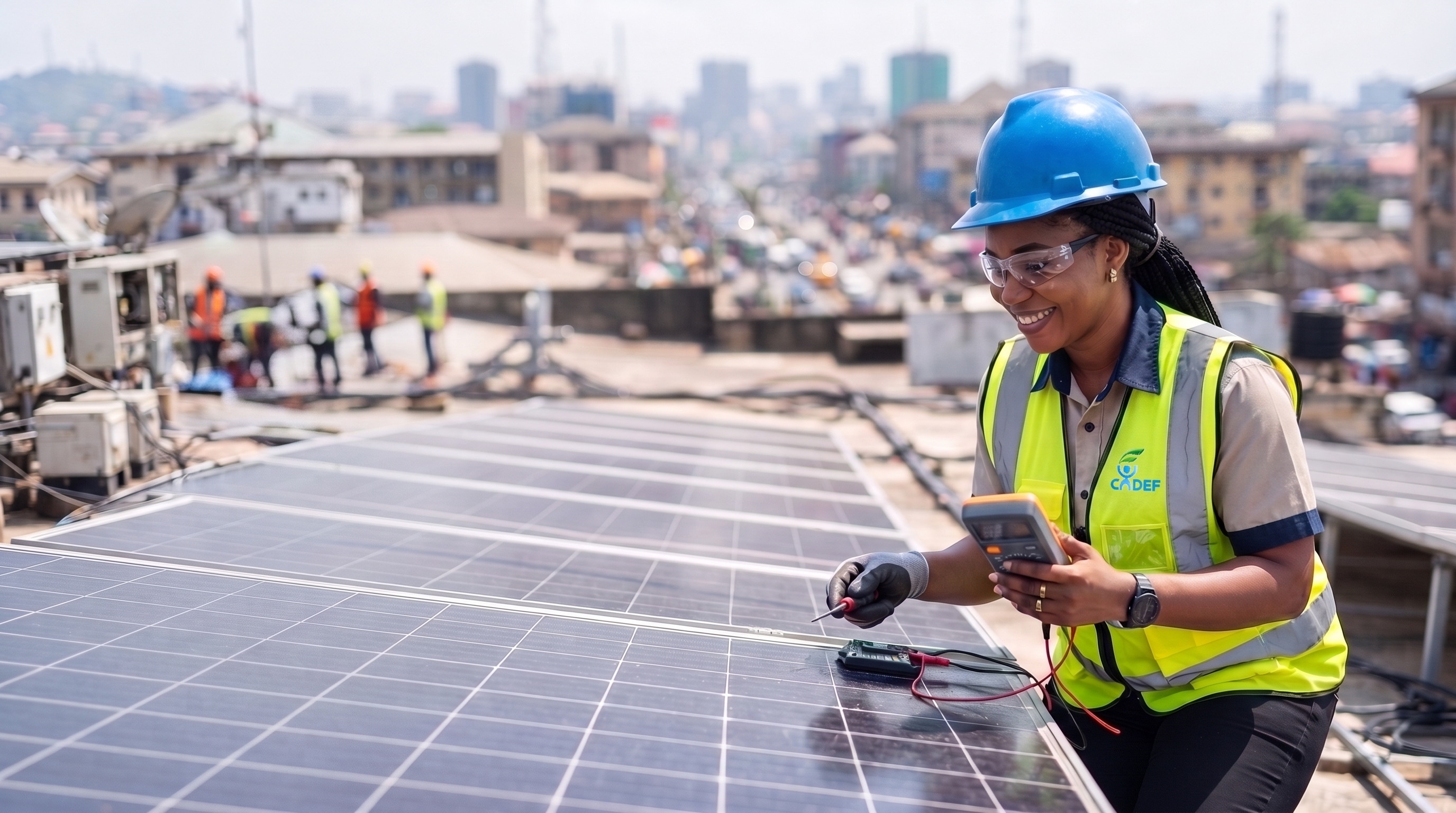
Bidirectional Energy Flow: Power does not just flow to the consumer; consumers with Distributed Energy Resources (DERs) like solar panels can feed surplus power back into the network.
Digital Intelligence & Automation: Smart meters, sensors, and IoT devices communicate across the grid to detect outages, optimize routing, and balance loads instantly.
Demand-Side Flexibility: The ability to shift energy consumption to off-peak hours using smart appliances and time-of-use tariffs, reducing the strain on peak generation.
Integration of Renewables: The capacity to absorb intermittent energy sources (solar and wind) by leveraging battery storage systems to smooth out supply dips.
3. Core Benefits of Grid Flexibility
Transitioning to a flexible grid architecture unlocks significant advantages for utility providers, the environment, and the end-user.
Benefit Category | Impact & Explanation |
|---|---|
Enhanced Reliability | Smart grids isolate faults automatically. If a section of the grid fails, localized microgrids and battery systems can "island" themselves, keeping power on for connected consumers while the main issue is resolved. |
Economic Efficiency | By smoothing out peak demand, flexible grids reduce the need to turn on expensive, highly polluting "peaker" plants. This operational efficiency translates to long-term cost stabilization. |
Environmental Sustainability | Flexibility is the primary enabler for mass decarbonization. It allows the grid to safely integrate high percentages of variable renewable energy without risking systemic instability. |
Consumer Empowerment | Consumers transform into "prosumers" who generate, store, and intelligently manage their own energy, granting them greater control over their utility bills. |
4. Why Flexible Grids Matter to Nigerian Electricity Consumers
For Nigeria, the transition to grid flexibility is not merely a technological upgrade; it is a critical necessity to overcome historical infrastructure deficits and drive economic empowerment.
4.1. Mitigating National Grid Instability
Nigeria has historically struggled with frequent national grid collapses and severe load shedding due to aging infrastructure, gas supply shortages, and limited transmission capacity. A flexible grid architecture inherently supports decentralized microgrids and Distributed Generation (DG). For the Nigerian consumer, this means that widespread grid failures have a reduced impact, as localized energy hubs can sustain power delivery independently.
4.2. Reducing Reliance on Fossil Fuel Generators
A massive segment of Nigerian households and businesses rely on self-generation through petrol and diesel generators to combat erratic power from the Distribution Companies (DisCos). These generators are expensive to run, noisy, and highly polluting. A flexible grid encourages the adoption of solar-inverter and battery storage systems (DERs) by integrating them into a broader, smart network. By leveraging demand flexibility and smart storage, consumers can drastically reduce their reliance on expensive generator fuels.
4.3. The Rise of the Nigerian "Prosumer"
As solar adoption accelerates across Nigeria, households are no longer just endpoints for electricity. With a flexible grid framework supported by evolving regulations like the Nigerian Electricity Regulatory Commission's (NERC) guidelines on embedded generation and mini-grids consumers could potentially trade excess solar energy. Even before widespread net-metering is realized, smart energy management allows Nigerian consumers to optimize their battery charging during grid-available hours and discharge during outages, maximizing their investment.
4.4. Cost Management Through Data
The roll-out of smart meters (AMI) is a foundational step toward a flexible grid currently underway in Nigeria. For the consumer, this eliminates estimated billing disputes a major pain point. Furthermore, as the grid evolves to support Time-of-Use (TOU) tariffs, Nigerian consumers will have the data and the financial incentive to run heavy appliances (like water pumps or electric irons) during times when grid power is cheapest or when their solar generation is at its peak.
5. Conclusion
For the Nigerian electricity consumer, the flexible grid represents a shift from vulnerability to resilience. By moving away from a brittle, centralized system toward an agile network of interconnected energy resources, consumers gain unprecedented control over their energy access, operational costs, and environmental footprint.