Understanding Nigeria’s Band A–E Electricity Tariff Structure
If you have bought electricity tokens or paid a power bill recently, you might have noticed that your home or business is placed in a specific "Band."
In the past, the Nigerian power sector used a pricing system where the government heavily subsidized electricity for almost everyone. Today, the Nigerian Electricity Regulatory Commission (NERC) has switched to a "Service-Reflective Tariff" system.
In plain language: You pay based on the number of hours of electricity your neighborhood is supposed to receive each day. Here is a simple breakdown of what these bands mean for your home or business, how much they cost, and why this matters if you are considering solar power.
1. The "Pay For What You Get" System
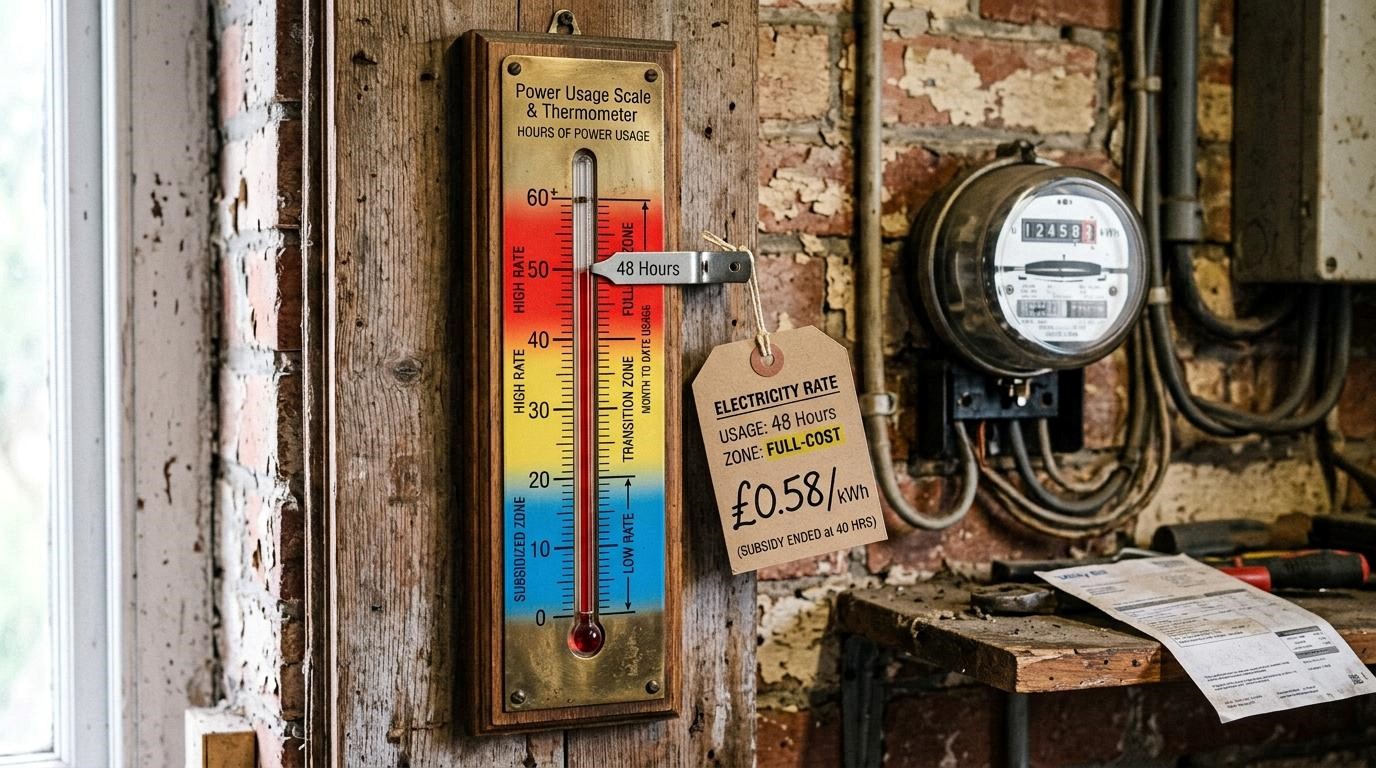
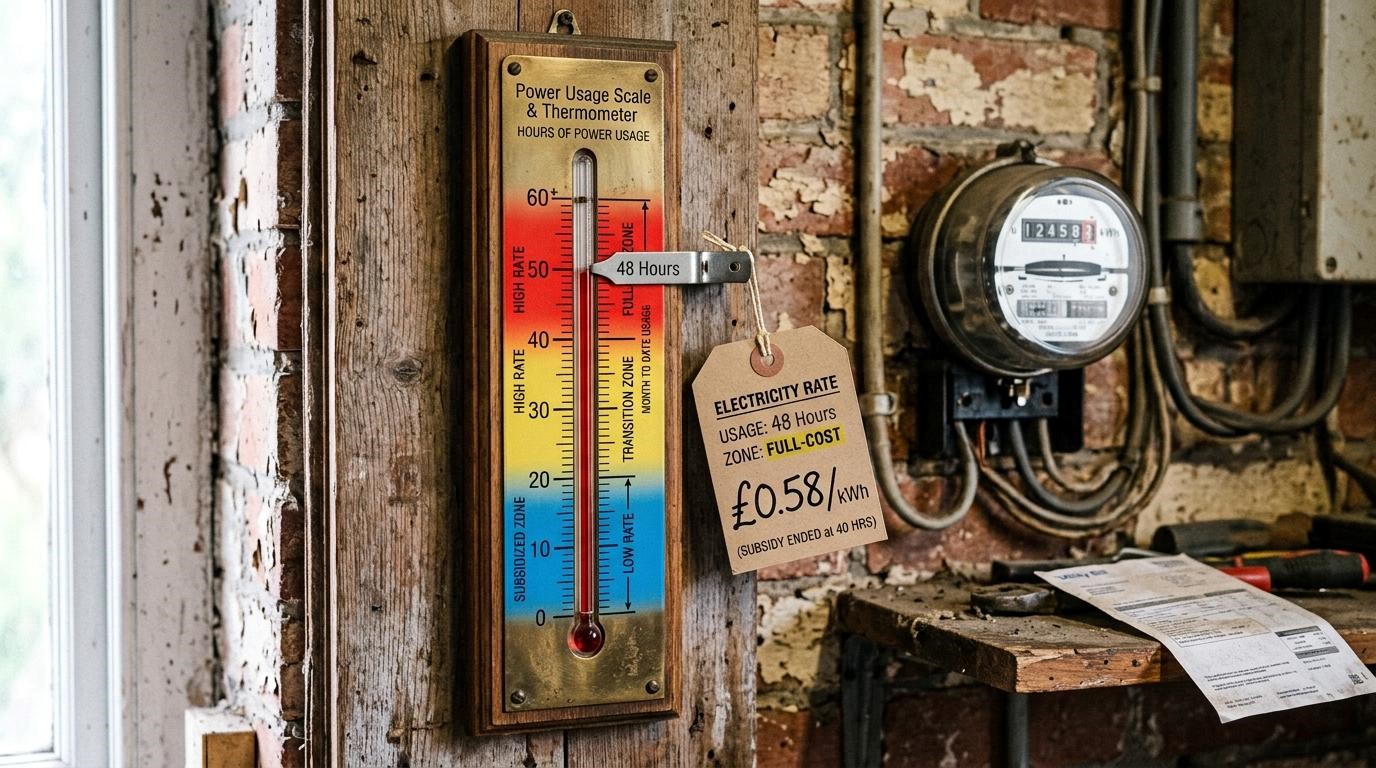
The logic behind the new pricing is straightforward: if you live in an area that gets nearly 24/7 power, you will pay the actual, full cost of producing that electricity (this is called a "cost-reflective" tariff). If you live in an area that gets very little power, the government will still subsidize (or heavily discount) your rate to protect you from high costs. The biggest change happened recently when NERC removed the subsidy for Band A customers. Because they receive the highest amount of power, they now pay premium rates currently pegged at around ₦209.50 per kilowatt-hour (kWh) while lower bands remain heavily discounted by the government.
2. Decoding the Bands: A to E
Your electricity band is strictly determined by the average daily hours of power your local distribution company (DisCo) delivers to your specific street or power line (known as a "feeder").
Here is how the bands are currently broken down:
Your Service Band | Guaranteed Daily Power | Who Usually Falls Here | Pricing Status |
Band A | 20 hours or more | High-end residential areas, commercial hubs, and factories. | Full Price (No subsidies, ₦209.50/kWh) |
Band B | 16 to 19 hours | Mixed commercial and urban neighborhoods. | Partially Subsidized (~₦62.48/kWh) |
Band C | 12 to 15 hours | Standard urban and suburban communities. | Subsidized (~₦50.00/kWh) |
Band D | 8 to 11 hours | Semi-urban areas with unstable grid power. | Highly Subsidized (~₦43.00/kWh) |
Band E | 4 to 7 hours | Rural or heavily underserved areas. | Maximally Subsidized (~₦40.00/kWh) |
(Note: Exact subsidized prices can vary slightly depending on your specific DisCo, but the minimum hourly requirements remain exactly the same nationwide.)
3. The Gap Between Promise and Reality
On paper, this system sounds fair. But in reality, there is often a mismatch.
The Problem: Sometimes a neighborhood is officially classified as Band A (meaning they pay the highest premium rate), but due to grid collapses or broken local transformers, they only receive 10 hours of power a day.
The Rule: NERC has strict regulations to protect consumers. If your DisCo fails to give you your guaranteed hours over several consecutive days, they are legally required to downgrade your area to a lower, cheaper band and compensate you for the service failure.
4. Why This Matters if You Want Solar Power
Understanding your band isn't just about paying your monthly bills—it helps you decide if it is time to switch to solar panels or a home battery backup.
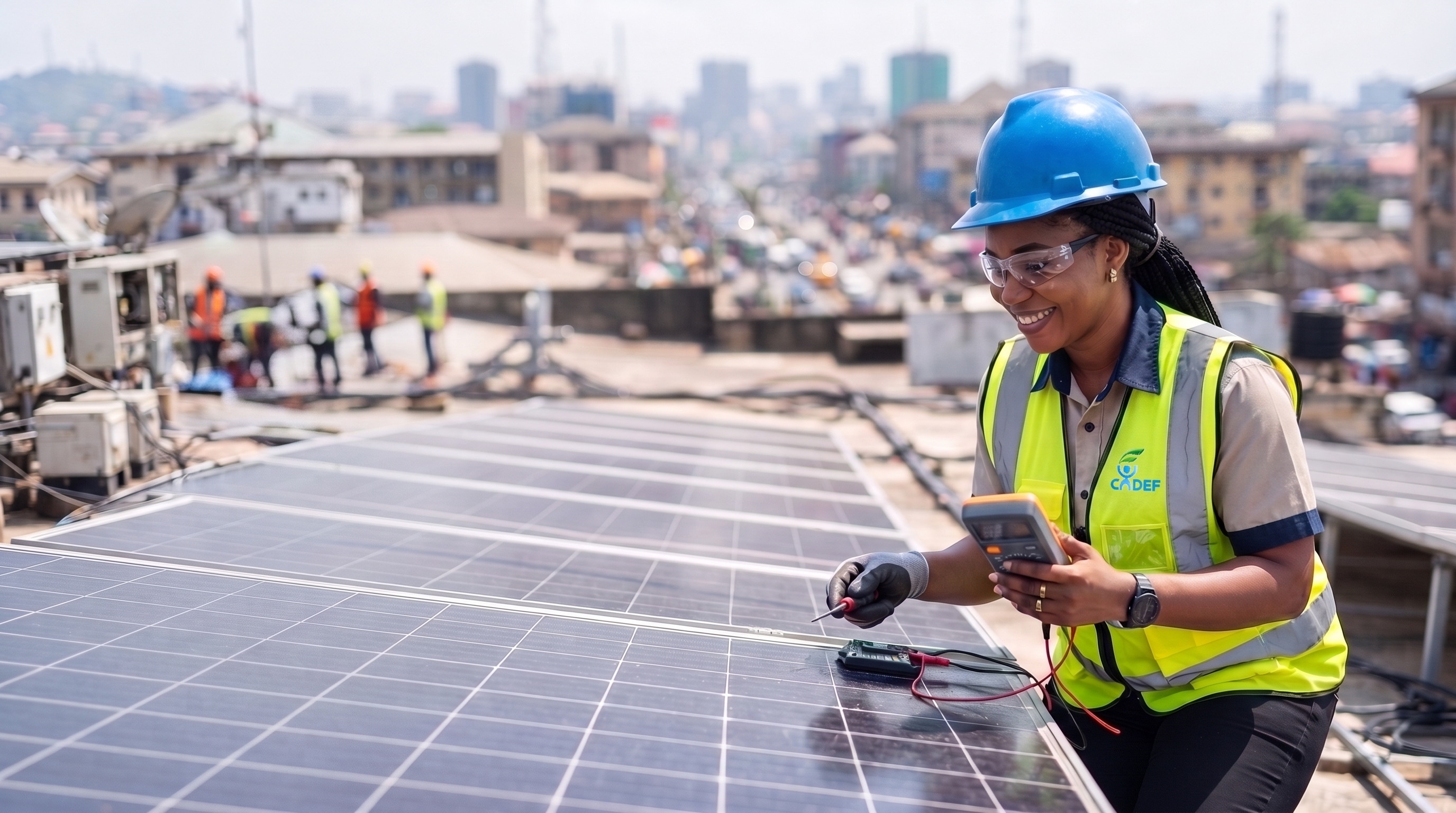
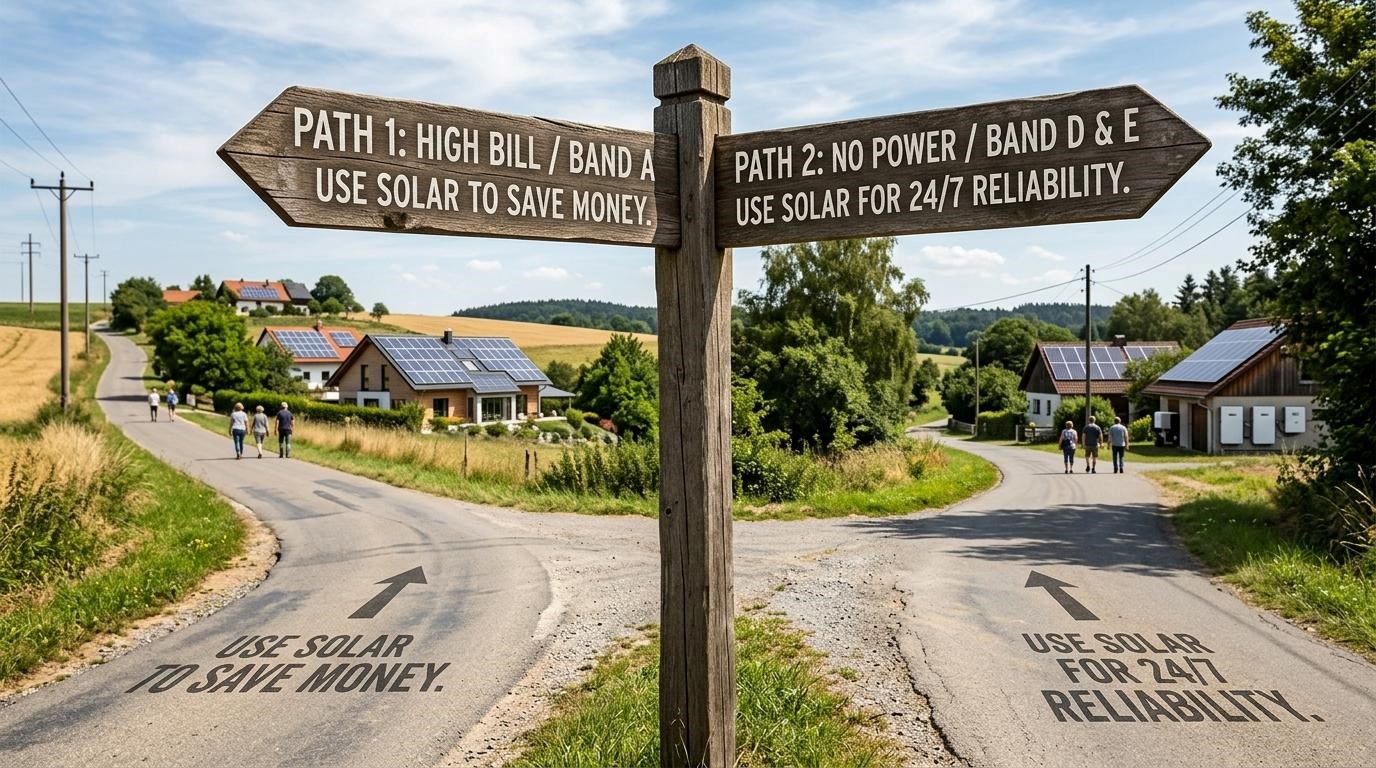
If you are in Band A: Because you are paying nearly ₦210 per unit, grid electricity has become incredibly expensive. Installing solar panels to run your home or business during the daytime is now a massive money-saver. The high cost of grid power means your solar investment will pay for itself much faster.
If you are in Band D or E: Your grid power is cheap, but it is rarely turned on. For you, solar or neighborhood "mini-grids" aren't about saving money on your bill; they are about buying peace of mind and having reliable, 24-hour power so your food doesn't spoil and your business can stay open.
5. How to Take Control
You don't have to guess your status. Here is what you can do:
Check Your Band: Look at your recent electricity bill or your prepaid meter token receipt. It will clearly state whether you are in Band A, B, C, etc. You can also visit your local DisCo's website (for example, the Eko Electricity Feeder Portal) to check the exact band of your street.
Track Your Hours: Keep a rough log of how many hours of power you actually get daily.
Complain if Shortchanged: If you are paying for Band A but receiving Band C hours, lodge a formal complaint with your DisCo or escalate it to NERC's customer advocacy channels.
Glossary of Key Terms
Cost-Reflective Tariff: A pricing plan where you pay the true, full cost of producing and delivering electricity, without any financial help (subsidy) from the government.
Feeder: The specific electrical wire or line that carries bulk power from a local substation to your exact street or neighborhood.
Kilowatt-hour (kWh): The standard "unit" of electricity you buy. For example, leaving a 1,000-watt iron on for one hour uses exactly 1 kWh (one unit) of power.
Service-Reflective Tariff (SRT): Nigeria's current pricing system where the amount you pay per unit of electricity is tied directly to the number of hours of power your area receives.
DisCo (Distribution Company): Your local power company (like EKEDC, IKEDC, or AEDC) that manages your neighborhood's wires and sends you the bill.
Source References & Further Reading
BillsGuide Nigeria / NEPA Bill Index (2024): Breakdown of National Band A–E Electricity Rates and DisCo-specific pricing.
Nigerian Electricity Regulatory Commission (NERC). Electricity Tariffs FAQ & Service-Based Tariff Framework. Retrieved from https://nerc.gov.ng/faq/electricity-tariffs/
Eko Electricity Distribution Company (EKEDP): Feeder Information and Band Classifications.
Stears Data Bulletin (July 2024): Nigerian Band A electricity tariff reaches ₦209.5/kWh.